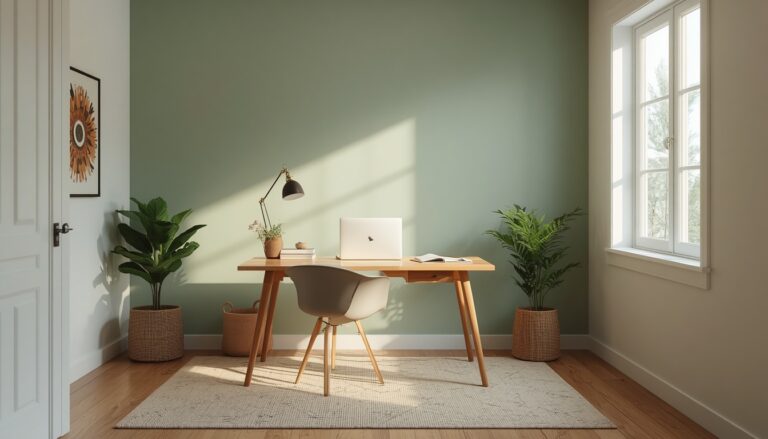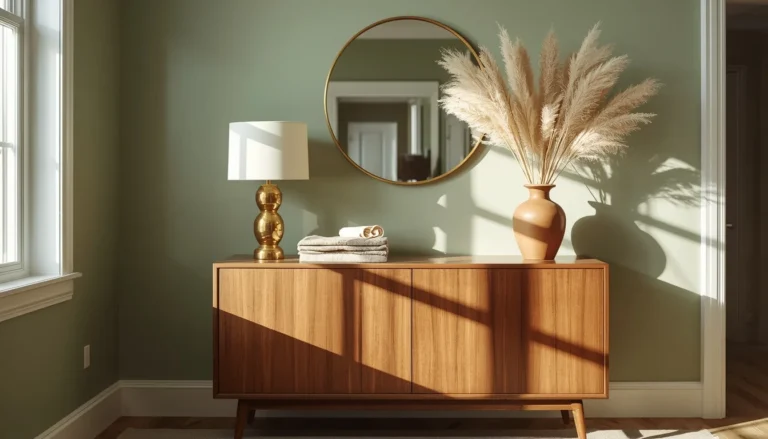
Pewter Green Patio Ideas: 8 Steps to Get It Right in 2026
By the end of this, you’ll know exactly what your patio needs to look like a pewter green space instead of a grey one that just didn’t quite turn out — same wall color, completely different result, and the difference usually comes down to about four decisions most people make in the wrong order.
Table of Contents
I’ve repainted more outdoor spaces than I can count, and pewter green is one of those colors that photographs beautifully on a paint swatch and then goes flat, muddy, or oddly cold once it’s actually outside under real sun. It’s not the color’s fault. It’s the sequence you follow to build the space around it. So instead of another list of “ideas,” here’s the actual checklist I use with clients when someone wants this look and wants it to hold up past the first season.
Step 1: Test Your Pewter Green Before You Commit to a Full Palette
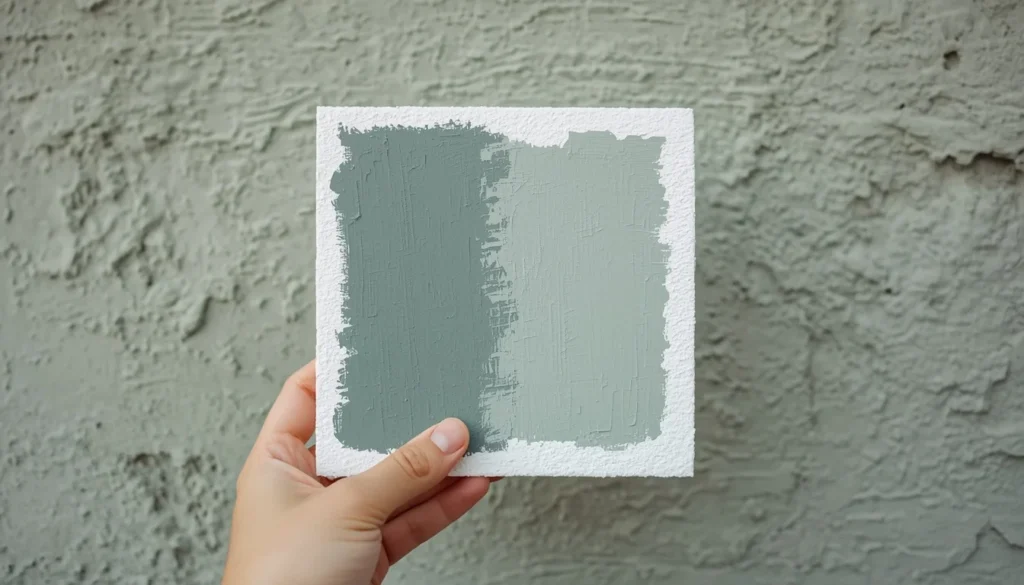
Pewter green isn’t one fixed color — it shifts depending on the brand, the sheen, and your patio’s light exposure. A north-facing patio in full shade will pull the grey forward and mute the green almost entirely. A south-facing space in direct sun will push it warmer and greener than the can suggests.
Paint two coats of your chosen shade on a foam board, not directly on the wall, and move it around the patio at 9am, 1pm, and 6pm. Colors this close to grey are notorious for looking like three different colors across a single day.
. how exterior light affects paint color — paint manufacturer color guide
Budget note: a sample pot runs $8-15 and saves you from repainting an entire wall, which on most patios runs $200-400 in materials alone.
Step 2: Choose the Right Base Material for a Pewter Green Patio Floor
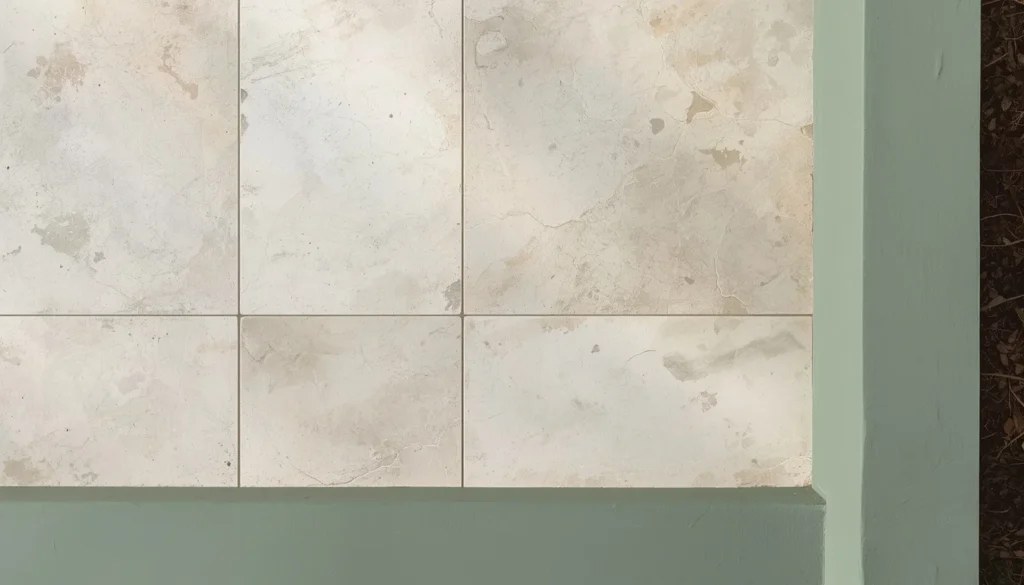
Your flooring sets the undertone for everything else. Pewter green leans cool, so pairing it with a flooring material that’s already warm-toned (weathered red brick, honey-toned pavers) creates tension rather than harmony — sometimes that’s the point, but most people don’t want it by accident.
Concrete pavers in a warm grey or bleached limestone tone work well because they don’t compete with the wall color. If you’re working with existing brick you can’t replace, lean into it deliberately: add a warm-toned rug and wood furniture to bridge the two tones rather than fighting them.
What most people get wrong here: they choose flooring first based on price, then try to force the green to match it later. Flip the order — lock in your wall tone, then choose flooring that sits quietly underneath it.
Step 3: Pick Furniture That Complements Rather Than Fights the Tone
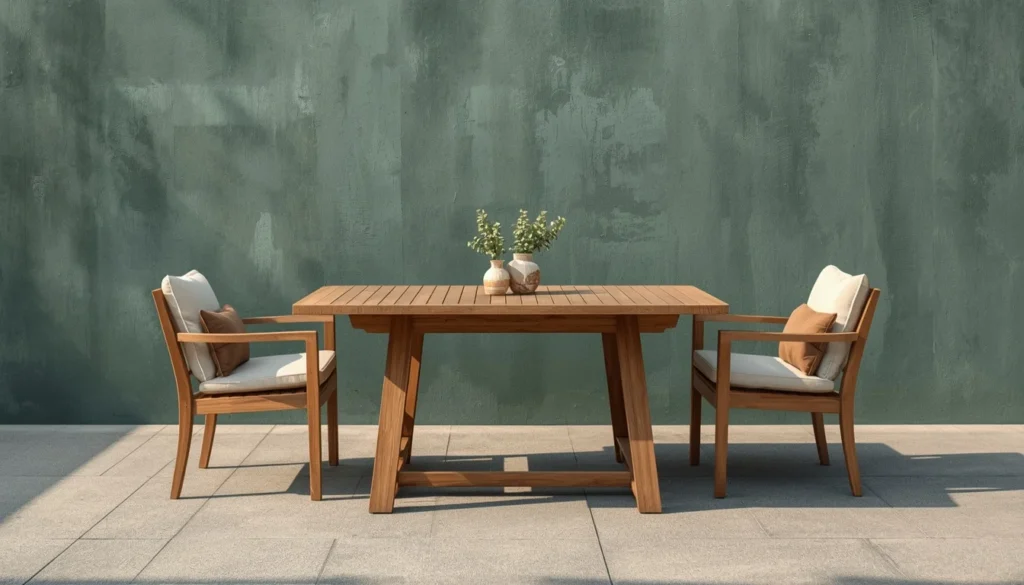
This is where a lot of pewter green patios go wrong — people either match the furniture too closely to the wall (everything reads as one flat block of color) or go too far the other way with bright, saturated pieces that make the green look washed out by comparison.
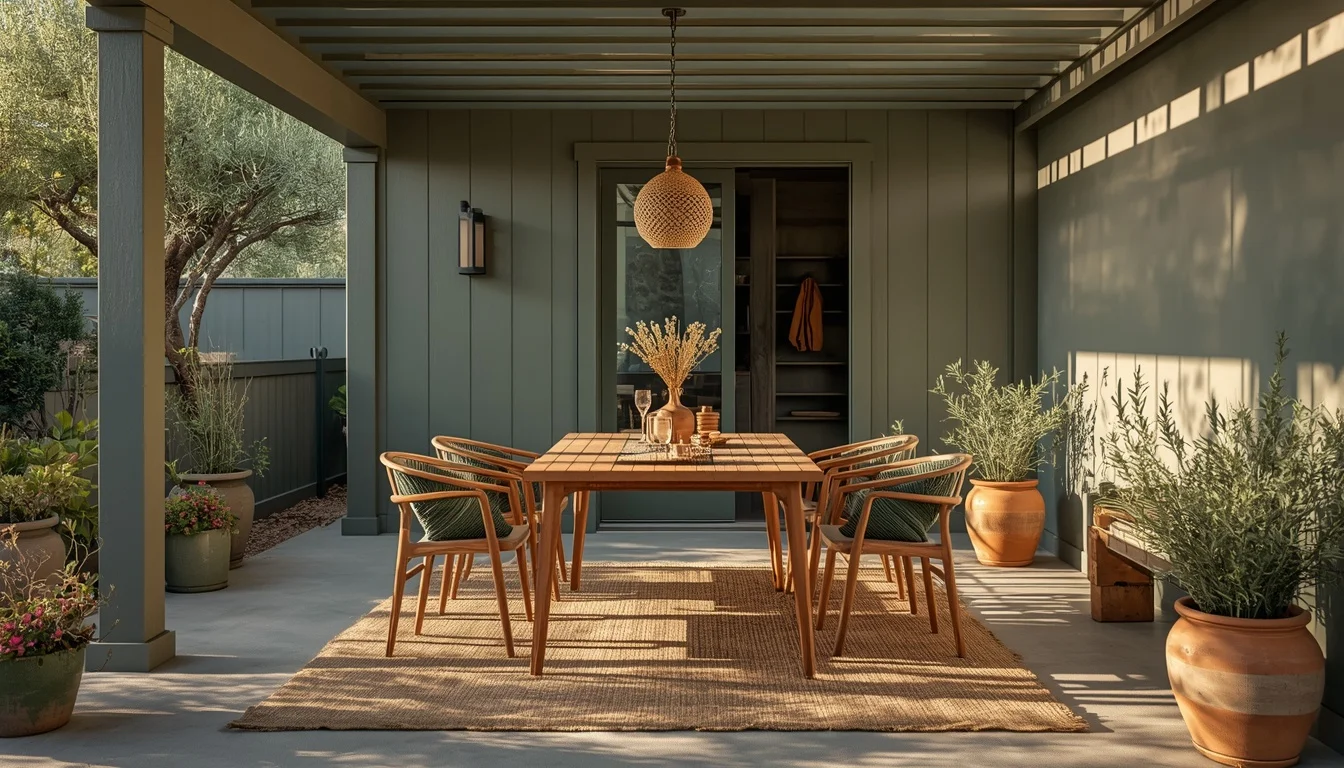
The safest starting point is teak or weathered oak furniture. The warm wood grain gives the space depth against a cool wall color, and teak specifically ages to a soft silver-grey that actually complements pewter green rather than clashing with it over time.
If you prefer painted furniture, stay one or two shades lighter or darker than your wall — never an exact match. A slightly lighter sage on a bench reads as intentional layering; an identical match reads as a mistake in different lighting.
Step 4: Layer in Warm Metals and Woods to Stop It Looking Cold
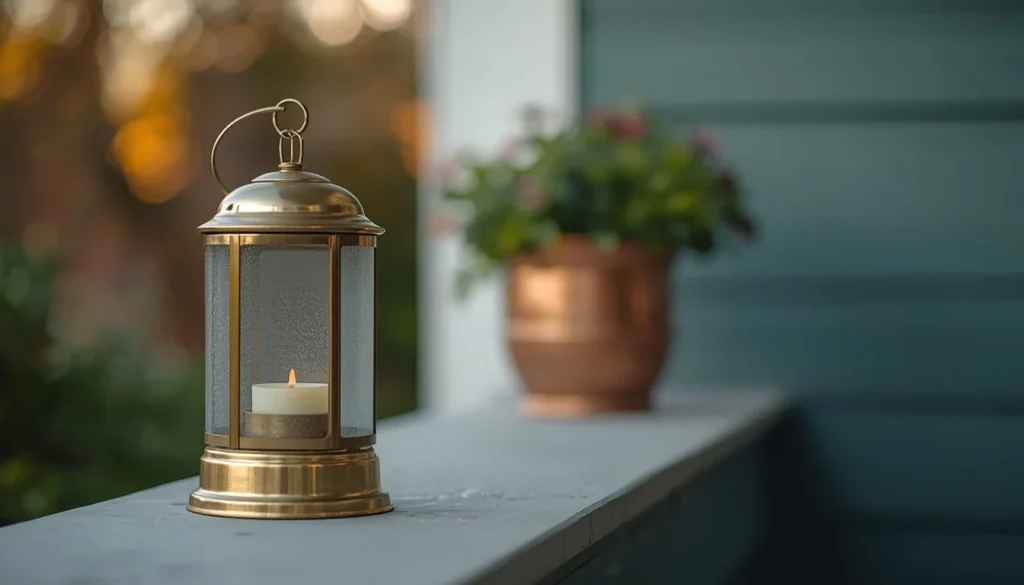
Pewter green, left on its own, can start to feel a little clinical outdoors — especially in overcast climates. The fix is warm metal accents: brass, aged copper, or matte bronze fixtures on lanterns, planters, or hardware.
Avoid brushed chrome or stainless steel here. Those cool-toned metals amplify the grey undertone in the paint instead of balancing it. I’ve seen this mistake specifically with modern black-and-chrome furniture sets — they look sharp in a showroom and cold once placed against a muted green-grey wall.
Real-world wear note: brass outdoors will patina naturally within 6-12 months depending on humidity. Some people love that aged look; if you don’t, choose a lacquered brass finish or plan on an annual polish.
Step 5: Choose a Rug That Anchors the Seating Area
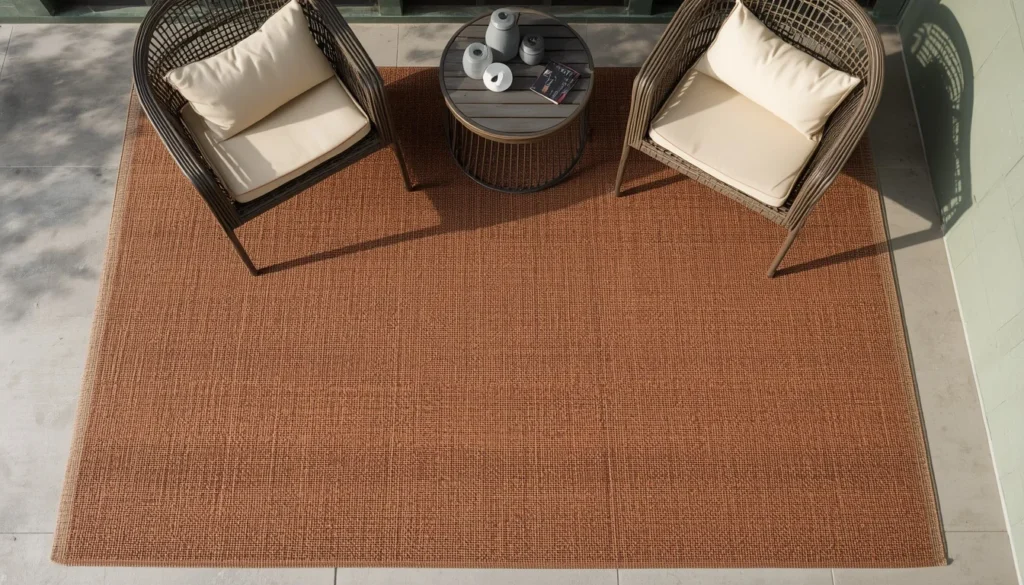
A patio without a rug tends to feel unfinished no matter how good the paint job is — the eye has nowhere to land, and furniture looks like it’s floating in the space rather than arranged in it.
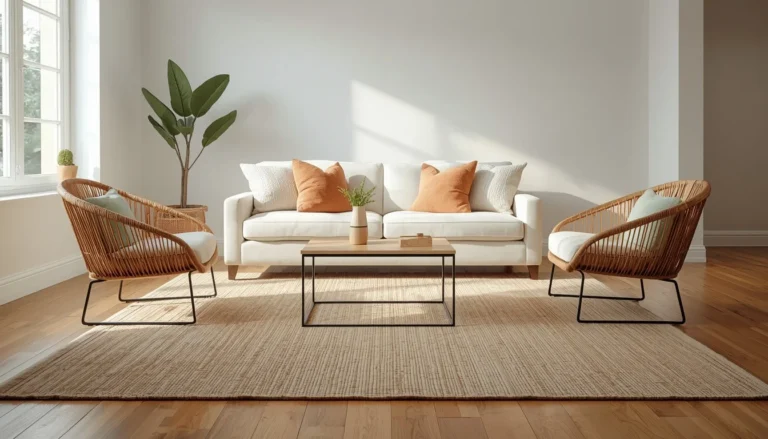
For pewter green spaces, a jute or flatweave rug in a warm oatmeal or terracotta tone does the most work. It grounds the cooler wall color and gives the seating area a defined edge, which matters more outdoors than indoors since there’s no room boundary doing that job for you.
Stick to polypropylene or solution-dyed acrylic rugs if the patio is uncovered — natural jute will mildew within a season if it takes regular rain.
. Choosing weather-resistant outdoor rugs — outdoor living materials guide
Step 6: Add Greenery That Actually Matches (Not Clashes With) Pewter Green
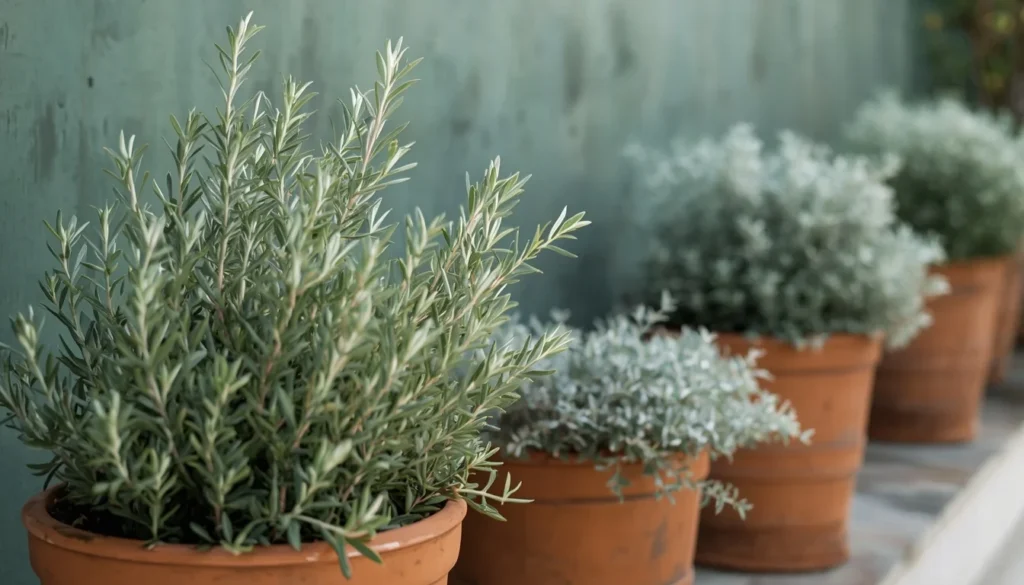
Plant choice matters more than people expect. Bright, glossy-leafed plants (like tropical monstera or bird of paradise) can make a muted pewter green wall look dull by comparison — the contrast is too sharp.
Silvery, matte-leafed plants work better: olive trees, rosemary, lavender, or dusty miller. Their softer, greyer green tone sits closer to the wall color on the spectrum, so the whole space reads as one cohesive palette instead of two competing greens.
Terracotta or aged-concrete planters continue the warm-material theme from Step 4 and Step 2.
Step 7: Get the Lighting Temperature Right for Evening Use
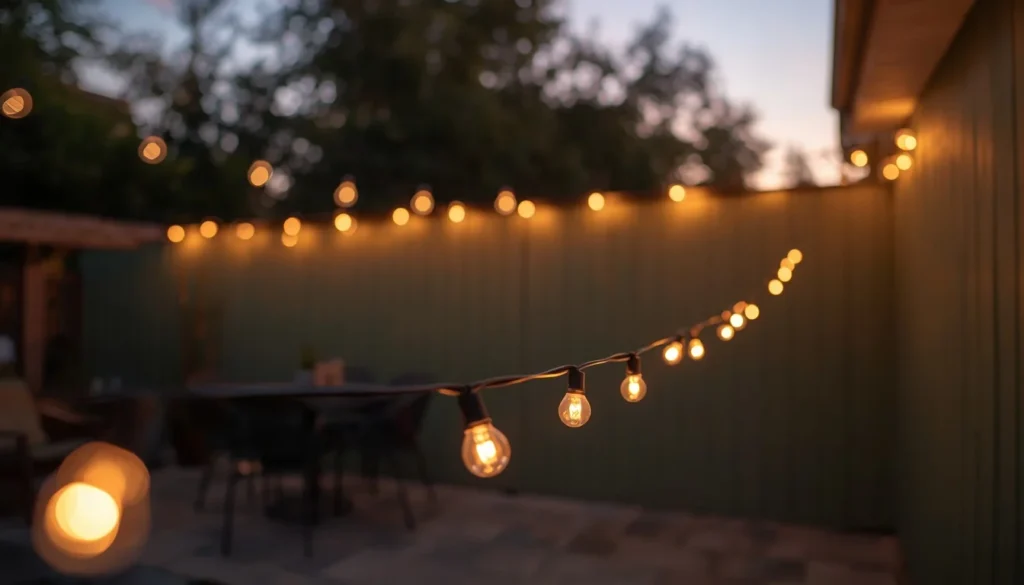
Cool-toned LED bulbs (anything above 4000K) will make a pewter green patio look almost blue-grey at night — not the effect most people are going for. Stick to warm white bulbs in the 2700K-3000K range for string lights, lanterns, and sconces.
This is a small detail that gets skipped constantly, and it’s the single fastest way to undo everything you got right in Steps 1 through 6. A beautifully balanced daytime palette can look completely different — and not in a good way — under the wrong bulb temperature after sunset.
Step 8: Weatherproof and Seal Everything Before Season Change
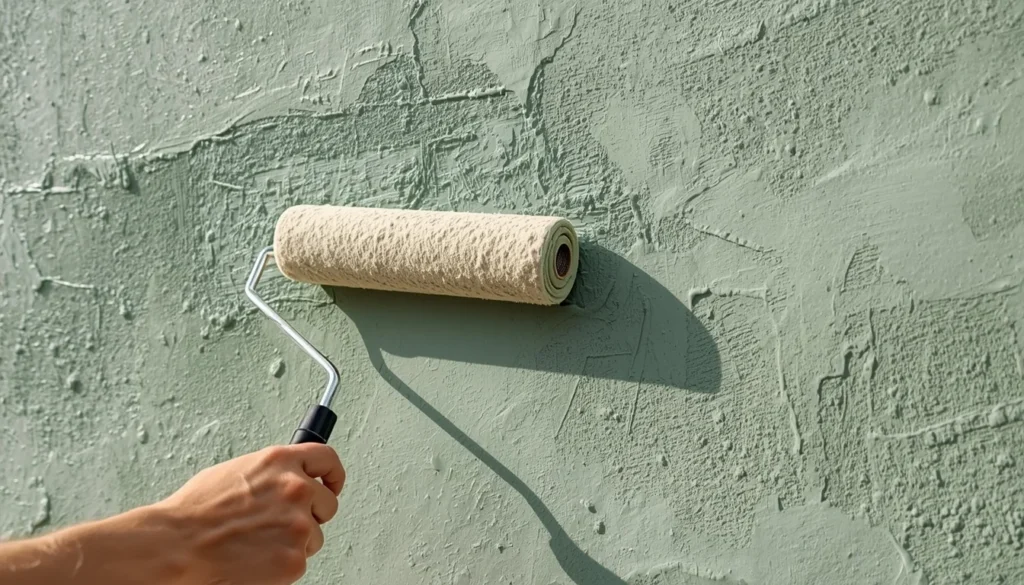
Exterior paint on stucco or masonry needs a breathable masonry sealer over it if your patio takes direct rain — without it, pewter green tones (which often have a chalky, matte quality) will streak and blotch within one wet season, and touch-ups rarely match the original color exactly since sun exposure fades the base coat unevenly.
Reapply sealer every 2-3 years depending on climate. In coastal or high-humidity regions, check annually for hairline cracking, which lets moisture in behind the paint film and causes peeling from the inside out — something that often isn’t visible until it’s already a bigger repair.
Common mistakes to avoid at this stage: skipping the sealer to save on the project budget, painting over existing mildew instead of treating it first, and using an interior-grade paint outdoors because the color match looked better on the shelf. All three show up as visible problems within one season, and all three cost more to fix afterward than they would have to do right the first time.
Follow these eight steps in order and the color does the work you expected it to do in the first place — instead of fighting you the way half-finished pewter green patios tend to. It’s a color that rewards patience in the planning stage and punishes shortcuts later, which is really true of most good outdoor design.
FAQ Section
Does pewter green work on a patio that gets full afternoon sun? Yes, though it will read greener and lighter than the paint chip suggests. Test your swatch specifically during 1-4pm exposure before committing to the full wall.
What’s the difference between pewter green and sage green for patios? Pewter green carries more grey and a cooler undertone, while sage leans slightly warmer and more yellow-green. Pewter tends to pair better with brass and terracotta; sage pairs well with warmer wood tones like cedar.
Can I use pewter green patio ideas in a small backyard or apartment balcony? Yes — in smaller spaces, keep the furniture and planters lighter in scale so the cooler wall tone doesn’t feel closing-in. A single accent wall instead of full coverage often works better in tight balcony spaces.
Is pewter green a good choice for a rental patio? If painting isn’t allowed, you can get most of the effect through furniture, rugs, and planters in the pewter-adjacent tones described above, then simply remove them at move-out.